Begin your 3-Day Free Trial today and start turning things around.

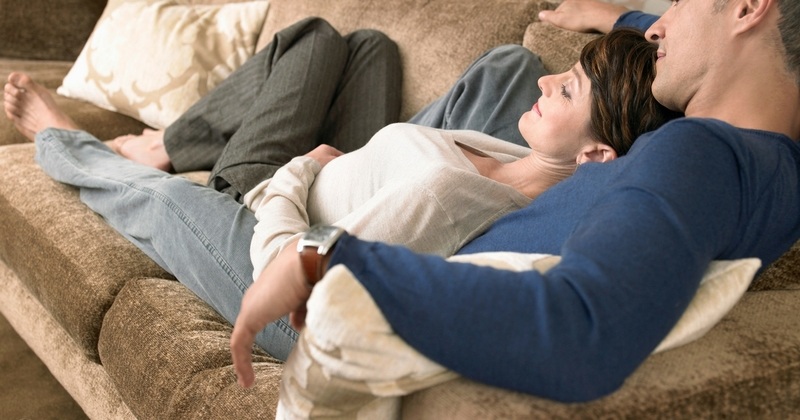
When your husband stops showing affection, it is easy to panic.
You may start wondering if he still loves you, whether he is pulling away for good, or whether your marriage is slowly unraveling. And when the hugs, warmth, tenderness, and affection you used to count on begin to fade, the pain is real.
But do not jump too quickly to the worst conclusion.
In many marriages, a husband’s lack of affection is not proof that love has died. More often, it is a sign that the connection between you has weakened and the atmosphere of the marriage has changed.
That matters, because a symptom and a cause are not the same thing.
If you treat this only as “he is not affectionate enough,” you may chase the wrong solution. But if you understand what shuts affection down and what helps it come back, you can begin changing the direction of your marriage.
And yes, that change can begin with you.

Most wives focus on the visible problem:
He does not hug me.
He does not kiss me.
He does not cuddle.
He is colder than he used to be.
He seems distant unless he wants sex.
Those things matter. But they are usually not the deepest issue.
Affection tends to fade when the marriage itself stops feeling warm, safe, easy, and enjoyable. When there is too much tension, criticism, disappointment, emotional pressure, hurt, or negativity, affection often gets buried.
In other words, the problem is not always that your husband has stopped caring.
Often, the problem is that the connection between you is no longer flowing the way it should.
That is why trying to “get more affection” directly does not always work. If the marriage atmosphere is strained, asking for more warmth without changing the atmosphere can make him feel pressured rather than drawn in.
A man who is less affectionate is not always angry. He is not always unloving either.
Sometimes he is discouraged.
Sometimes he feels he cannot please you.
Sometimes he has shut down emotionally.
Sometimes the marriage has become so burdened by tension that his natural warmth no longer comes forward.
This does not mean the problem is all yours. It does not mean he has done nothing wrong. It means that if you want better results, you have to look honestly at what may be shutting down affection between you.
Affection usually grows in a climate of appreciation, peace, warmth, and goodwill.
It usually shrinks in a climate of criticism, pressure, resentment, defensiveness, coldness, and repeated emotional friction.
That is the first shift to understand: affection is not usually restored by demanding it. It is restored by rebuilding the conditions that make affection natural again.
This is one of the most common mistakes.
When a wife feels lonely, she understandably wants reassurance. So she asks more questions, pushes for talks, tests him, complains about what is missing, or watches him closely for signs of indifference.
That usually backfires.
Why? Because pressure rarely creates affection. It creates resistance.
A husband who already feels inadequate, criticized, confused, or emotionally tired will usually not become warmer because he feels cornered. More often, he retreats further.
So if your husband is not affectionate, do not make your first move a bigger emotional demand.
Make your first move a wiser one.
Before you try to build more warmth, stop feeding what is cooling the marriage off.
That means reducing behaviors like:
This is not about becoming fake. It is about becoming effective.
Many marriages improve when one spouse stops pouring negativity into the atmosphere and begins consistently bringing more peace, steadiness, and kindness.
That alone can start changing the emotional climate in the home.

If you want more affection, become more approachable to his heart.
That means showing up with warmth instead of tension. It means smiling more. Softening your tone. Letting go of little jabs. Greeting him kindly. Expressing appreciation. Being pleasant to be around again.
This is not manipulation. It is marriage wisdom.
Most people were naturally warmer, more appreciative, and more intentional when they were dating. Then life became heavy, habits formed, and the sweetness got replaced by correction, irritation, and routine.
Affection returns faster when the marriage starts feeling lighter again.
Ask yourself:
Do I bring peace into the room, or pressure?
Do I speak to him in a way that invites closeness?
Do I show appreciation, or mostly disappointment?
Do I make it easier for him to move toward me?
Those questions matter more than most people realize.
Do not reduce affection to sex alone.
Sex can be one bridge between husband and wife, but it is not the whole relationship. If the only warm moments left in your marriage happen around sex, then the connection still needs rebuilding.
Real affection is also shaped by the smaller moments:
a kind greeting
a loving smile
a hand on his shoulder
a warm text
genuine appreciation
sitting near each other peacefully
speaking well of him
making home feel less hostile and more restful
These things may sound small. They are not.
Marriage often turns not on grand speeches, but on repeated emotional tone.
If the tone changes, the connection often changes with it.
This subject needs maturity, not extremes.
Sex is not the same thing as affection. But in marriage, it can be one important pathway back toward closeness when it is loving, mutual, and connected.
So do not treat his desire for you as automatically shallow or offensive. Very often, his desire is one of the ways he is still reaching for connection, even if imperfectly.
At the same time, affection cannot be rebuilt through pressure, resentment, or obligation.
The wiser path is this: respond warmly whenever you honestly can, avoid harsh rejection, and keep the tone loving even when the timing is wrong. When intimacy is welcomed by both of you, use it to build connection, tenderness, and closeness, not just physical release.
That is a very different thing from treating sex as a duty.
The point is not performance. The point is connection.
One of the biggest mistakes people make is expecting instant emotional payoff.
You may change your tone, become less reactive, show more appreciation, and still not see immediate affection. That does not always mean nothing is happening.
Sometimes a husband who has felt tension for a long time needs time to trust the new atmosphere.
This is why consistency matters.
Do not do loving things for three days and then decide it is hopeless. Do not become warmer only to measure him every hour afterward. That returns the marriage to pressure.
Keep going.
A better marriage is rarely built through one dramatic moment. It is usually built through steady change in the emotional climate and in the way one spouse shows up day after day.

Then keep your thinking clear.
You are not trying to force a performance. You are trying to rebuild the conditions under which affection can grow naturally again.
That means you stay focused on what you can control:
your tone
your emotional steadiness
your kindness
your appreciation
your warmth
your ability to stop doing what harms the marriage
This is where many wives regain hope. They realize they are not powerless just because their husband is not currently affectionate.
You may not control him. But you can absolutely influence the direction of the marriage.
And often, that is how the turnaround begins.
Not every lack of affection is the same.
Sometimes the problem is ordinary marital disconnection. Sometimes it is tied to deeper issues such as pornography, an affair, untreated depression, severe resentment, addiction, or ongoing hostility.
And if your situation includes coercion, intimidation, abuse, or fear, do not minimize that. Safety comes first.
A marriage cannot be rebuilt on top of danger.
If your husband does not show affection, do not assume the marriage is over.
But also do not keep reacting the same way and expect a different result.
Affection usually returns when the marriage becomes more peaceful, more loving, and more emotionally safe again. That begins by stopping what damages connection and replacing it with what builds connection.
Do not chase affection.
Create the conditions for it.
Do not pressure him.
Change the atmosphere.
Do not obsess over what is missing.
Start becoming the kind of wife who brings more warmth, stability, and love into the marriage.
That is often where affection begins to come back.
If this feels bigger than something you can fix by guesswork, that is because it probably is. A warmer, more affectionate marriage usually does not come from one clever conversation or a few random tips. It comes from learning how marriage actually works and applying the right principles in the right order. That is exactly what we teach at The Marriage Foundation. If you want step-by-step help, our books and courses are designed to help one committed spouse begin restoring love, happiness, and harmony in marriage.





Tiny says:
How to move forward if husband has ED?
Paul Friedman says:
There are so many causes that one should consider medical opinions. But if you suspect your husband is not finding you to be as attractive then I would focus on making my connection better. Usually, a man can’t pinpoint why his body is not cooperating with his desire, so asking him won’t help. It is always a good idea to improve your relationship all the time, anyway.
Meg says:
what if you try to be the heart of the relationship, try to build in cuddles and you feel the ‘reluctance’ to hug. You tell him when he turns you on etc and offer sex, but he ignores it until he wants to have sex on his terms (still do it) any other time to talk etc is usually a criticism of what I’ve done around the house or a way he likes the housework done (he likes to do the housework etc because I do it wrong, I offer to and try to jump in, but then doing that I get criticism on it e.g. toilet roll on wrong way, bread tags tied this way, shirts folded this way etc) so eventually I take a step back from taking the lead on it as he has his preferences and I just seem to upset him. I have tried to talk to him for years but anytime I say how I feel I am met with a thing about me instead. We have two young children and I am accepting that this will be our situation.
Paul Friedman says:
The outer circumstances in life, and especially marriage seem to be important because they are right there in front of us. But the heart of marriage is deeply centered in the soul connection that only comes to the fore when we learn to cultivate love, and not worry, at all, about the externals. That’s the lesson of marriage. To learn to love unconditionally, above the fray.